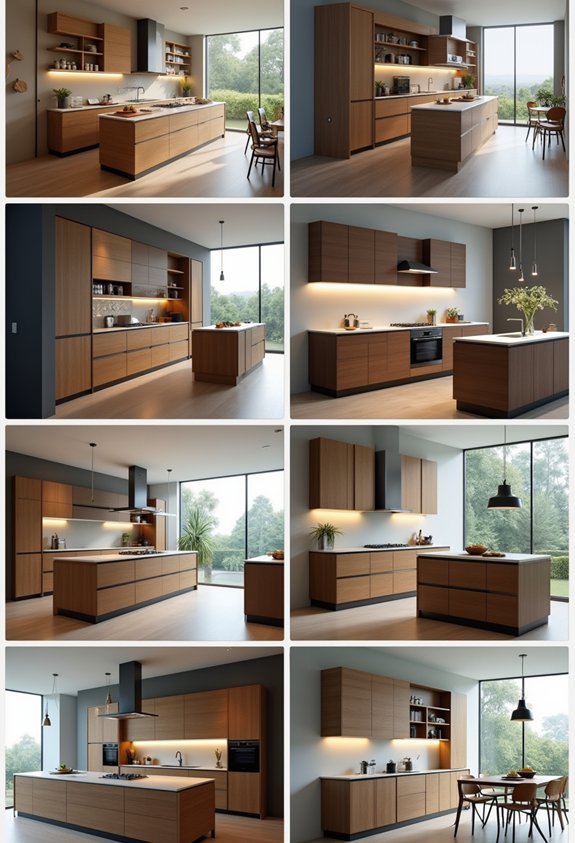
Kitchen design concepts for 2026 are shifting toward functionality, sustainability, and personalization. Modern homeowners are moving away from generic, trendy aesthetics toward spaces that reflect individual lifestyles and values. The focus is on creating kitchens that work seamlessly with how families actually live, cook, and gather.
Key design trends include open shelving that displays everyday essentials, mixed materials that combine warmth with durability, and ergonomic layouts that minimize unnecessary movement. Energy-efficient appliances and eco-friendly materials continue to gain importance as homeowners prioritize both cost savings and environmental impact. Smart storage solutions help maximize space in kitchens of all sizes.
The overall philosophy emphasizes balance between beauty and practicality, ensuring kitchens are both visually appealing and highly functional for daily use.
1. Sustainable Materials and Eco-Friendly Finishes
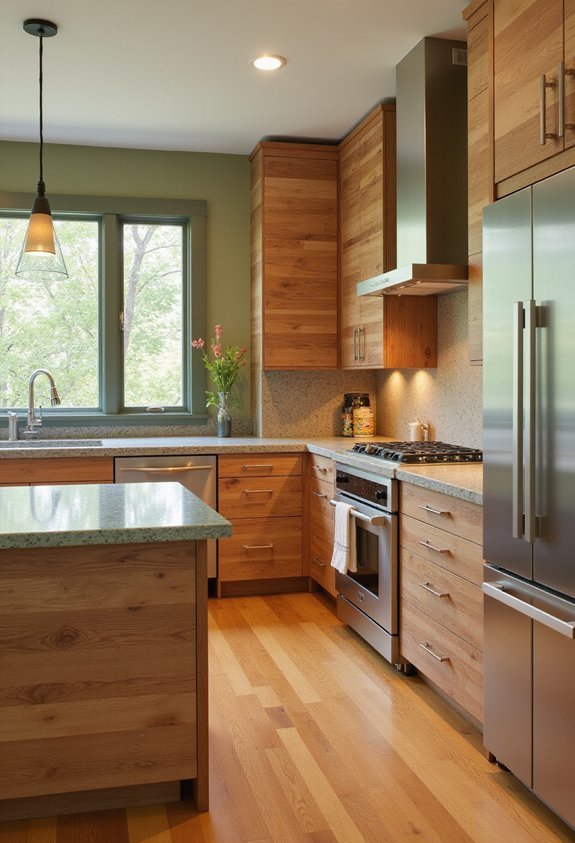
As homeowners increasingly prioritize environmental responsibility, I’ve noticed that sustainable kitchen materials aren’t just a trend—they’re becoming the standard. Recycled glass countertops, bamboo cabinetry, and reclaimed wood bring both elegance and environmental consciousness to your space. I recommend exploring low-VOC finishes that minimize harmful chemicals, protecting your family’s health while reducing air pollution.
Sustainable materials don’t compromise on durability or aesthetics. Cork flooring offers warmth and natural antimicrobial properties, while recycled aluminum provides sleek, modern appeal. You’ll find that eco-friendly options increasingly match traditional materials in performance and longevity.
The shift toward sustainability reflects your values as a homeowner. By selecting responsibly sourced materials and finishes, you’re investing in a kitchen that’s beautiful, functional, and genuinely good for the planet.
Also read: 12 Dinner Ideas That Feed a Large Family
2. Smart Kitchen Technology Integration
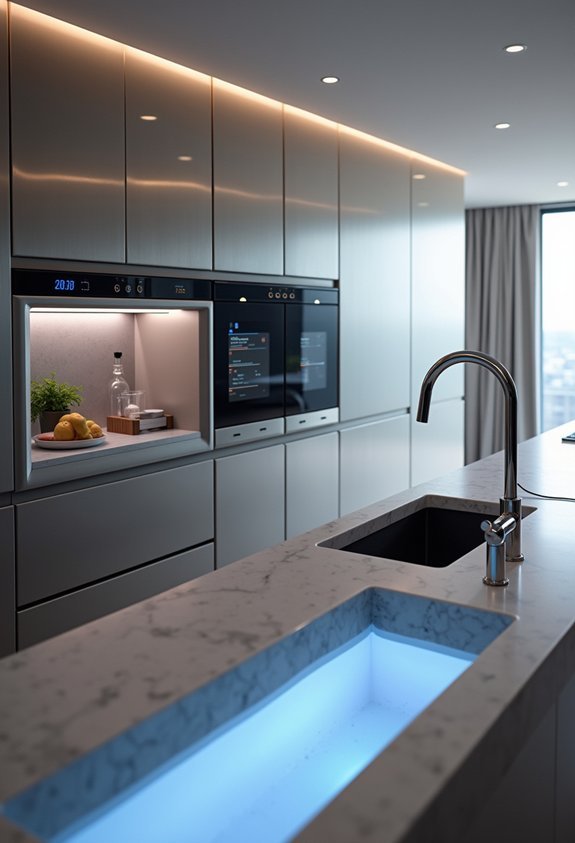
Smart kitchen technology has transformed how we cook, organize, and interact with our spaces. I’ve witnessed innovations that seamlessly blend functionality with convenience. Smart refrigerators now track inventory and suggest recipes based on available ingredients. Voice-activated assistants let you control lighting, temperature, and appliances hands-free while cooking. IoT-connected cooking devices provide real-time notifications and precise temperature management through your smartphone.
You’ll find smart faucets with touchless technology reduce water waste, while intelligent storage systems optimize space utilization. Advanced ventilation systems automatically adjust based on cooking activity. These integrations don’t just enhance efficiency; they create kitchens that adapt to your lifestyle.
The key is selecting technologies that genuinely serve your needs rather than adopting trends for novelty’s sake.
3. Multifunctional Island Designs

Beyond the gadgets that automate your kitchen, the island itself has evolved into a dynamic hub that serves multiple purposes. I’ve noticed that today’s islands aren’t just prep surfaces anymore—they’re command centers combining cooking, dining, and storage in one strategic location.
You’ll find built-in cooktops, waterfall countertops, and integrated seating that transforms your island into an entertaining focal point. I recommend incorporating hidden storage solutions and flexible work zones that adapt to your lifestyle. The key is designing an island that flows seamlessly with your kitchen’s layout while eliminating wasted movement.
Whether you’re meal prepping, hosting friends, or working from home, a well-designed island maximizes functionality without compromising aesthetics. This evolving centerpiece is essential for modern 2026 kitchens.
4. Open Shelving and Display Solutions
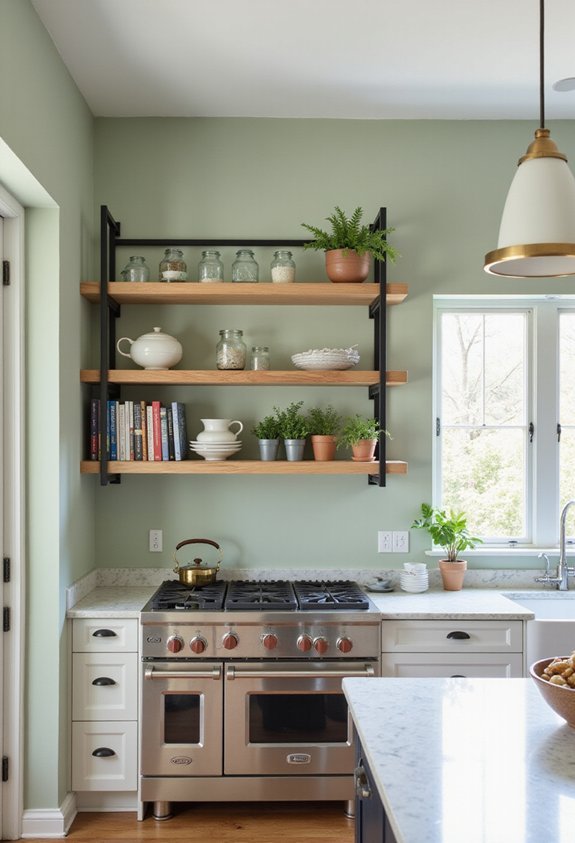
While multifunctional islands dominate the workspace, open shelving has become equally vital for creating visual interest and accessibility in 2026 kitchens. I’ve noticed designers favoring floating shelves that display curated dishware, cookbooks, and decorative pieces. This approach eliminates visual clutter by encouraging you to keep only items you genuinely use and love.
Open shelving works best when you pair it with strategic lighting—under-shelf LEDs highlight your displays while improving functionality. I recommend mixing materials like wood, metal, and glass to add depth and sophistication.
The key advantage? You’ll instantly locate your everyday essentials without opening cabinet doors. This trend works particularly well above countertops and beside cooking zones, creating both practical storage and an intentional aesthetic focal point.
5. Warm Color Palettes and Natural Textures
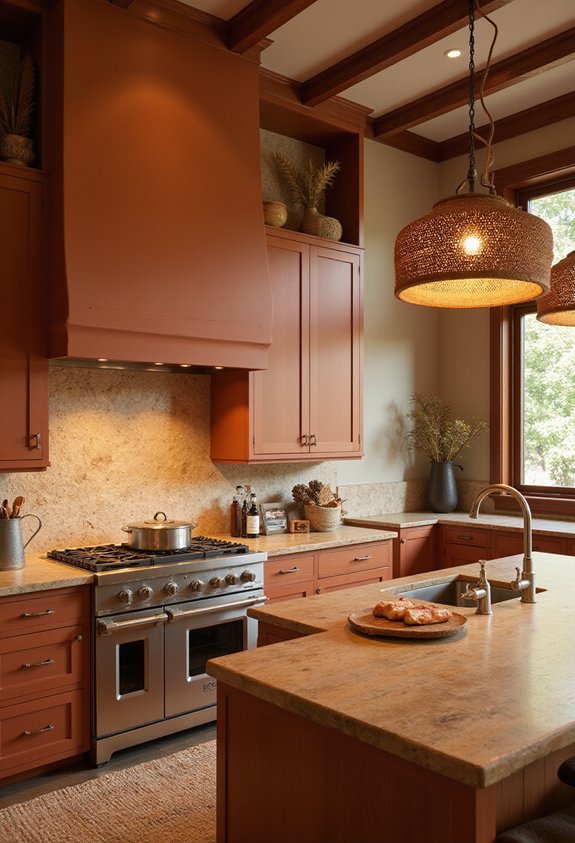
Earthy warmth has replaced the cool minimalism that dominated kitchens for years, and I’ve seen this shift transform spaces into inviting gathering spots. Warm terracottas, soft ochres, and creamy beiges create a comforting foundation that makes kitchens feel lived-in and approachable.
Natural textures amplify this effect. I’m noticing homeowners incorporating wood grain, stone surfaces, and woven elements that add depth and tactile appeal. These materials don’t just look beautiful—they age gracefully, developing character over time.
The psychology behind this trend is straightforward: warm colors and natural textures evoke comfort and authenticity. They counterbalance our digitally saturated lives by grounding us in tangible, organic elements. This approach works whether you’re designing a rustic farmhouse kitchen or a contemporary space seeking soul.
6. Compact and Space-Saving Layouts

As kitchens shrink and urban living intensifies, I’m finding that smart spatial design isn’t a compromise—it’s an opportunity. Multifunctional islands now serve as prep surfaces, dining spots, and storage simultaneously. I’m seeing pull-out pantries maximize vertical space, while corner carousels eliminate wasted dead zones. Appliances are getting slimmer—narrower refrigerators and compact dishwashers—without sacrificing functionality. Open shelving replaces bulky cabinets, creating an airy feel while keeping essentials within arm’s reach. Wall-mounted pot racks and hanging utensil systems free up drawer space. The 2026 kitchen prioritizes intentional placement over square footage. Every element earns its spot through dual or triple purposes, proving that cleverly designed compact kitchens deliver both efficiency and style.
7. Seamless Appliance Integration
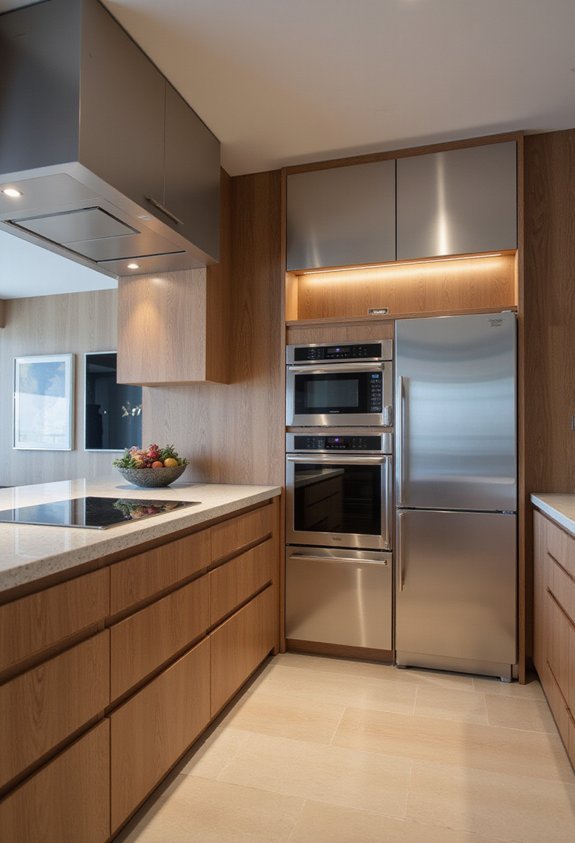
Beyond spatial efficiency, I’m noticing that 2026 kitchens succeed when appliances disappear into the design itself. Manufacturers are crafting refrigerators, dishwashers, and ovens that match cabinetry finishes seamlessly, eliminating visual clutter. You’ll see flush-mount handles and panel-ready designs that create unbroken lines across your kitchen surfaces.
This integration goes beyond aesthetics. Smart appliances now communicate with your kitchen’s central system, allowing you to control temperature, cooking times, and notifications from anywhere. Hidden vents and cable management systems keep your countertops pristine and functional.
I’d recommend prioritizing brands offering customizable fronts and coordinated finishes during your planning phase. This approach transforms your kitchen into a cohesive, sophisticated space rather than a collection of individual machines.
8. Personalized Workflow Zones
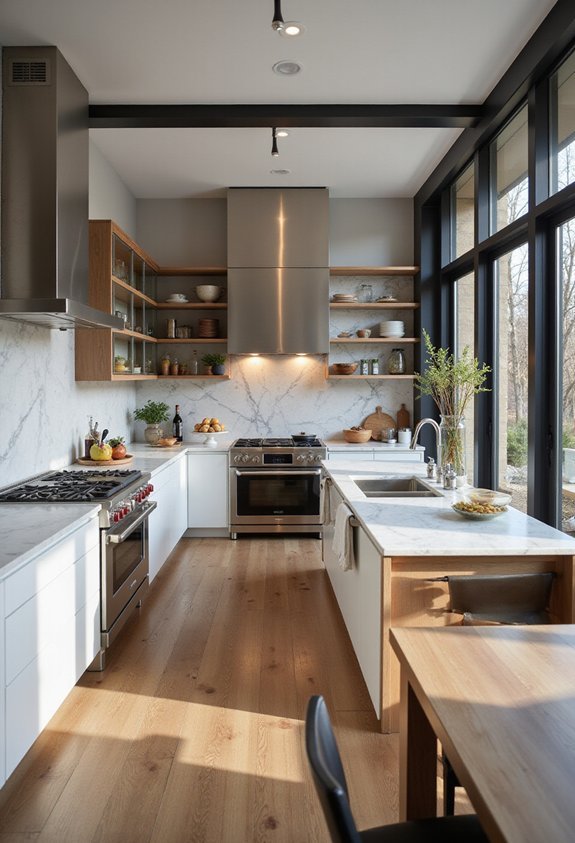
Every cook moves differently through their kitchen, and 2026 designs finally acknowledge this reality. I’m seeing kitchens tailored to individual cooking styles rather than standardized layouts. If you’re a baker, you’ll have a dedicated prep zone with marble countertops and storage for ingredients within arm’s reach. A passionate home chef might prioritize a robust cooking station near the stove with easy access to knives and seasonings. Others prefer open layouts connecting cooking and dining spaces. These personalized zones eliminate unnecessary steps, reduce fatigue, and make cooking more enjoyable. You’re designing around your actual habits, not forcing yourself into conventional kitchen templates. This shift transforms kitchens from one-size-fits-all spaces into extensions of your culinary personality.
Frequently Asked Questions
How Much Should I Budget for a Complete Kitchen Renovation With 2026 Design Concepts?
I’d recommend budgeting $50,000–$150,000 for a complete kitchen renovation with 2026 design concepts. Your actual costs’ll depend on your kitchen’s size, material choices, appliance quality, and whether you’re relocating plumbing or electrical systems.
What Is the Typical Timeline for Installing Smart Kitchen Technology in Existing Kitchens?
I’d say you’re looking at 2-4 weeks for installing smart kitchen technology in your existing space. The timeline depends on how many devices you’re adding—simple upgrades like smart appliances take less time than rewiring for integrated systems.
Are Sustainable Kitchen Materials More Durable Than Traditional Materials?
I’ve found that sustainable materials like bamboo and recycled composites often match or exceed traditional durability. You’ll appreciate how they resist wear and moisture while offering environmental benefits. They’re genuinely competitive options for your kitchen investments.
How Do I Choose Between Open Shelving and Closed Cabinetry for My Kitchen?
I’d recommend choosing open shelving if you’ve got beautiful dishware you’ll display and enjoy cleaning regularly. Go with closed cabinetry if you’d prefer hiding clutter and protecting your items from dust and cooking splatter daily.
What Ventilation Solutions Work Best With Seamlessly Integrated Modern Appliances?
I’d recommend installing hidden ventilation systems behind seamlessly integrated appliances. You’ll want downdraft vents or slim island hoods that match your cabinetry. I find these solutions work best when you plan electrical placement during your initial design phase.
Conclusion
You’ll find that designing your 2026 kitchen means blending sustainability with smart technology while keeping functionality at the forefront. Whether you’re drawn to warm textures, multifunctional islands, or space-saving layouts, you’ve got flexibility to match your lifestyle. The key’s balancing eco-conscious choices with modern conveniences—creating a kitchen that’s not just beautiful, but genuinely works for how you live.